
Explore underwater Athens
Discover the vibrant underwater wonders through scuba diving and snorkeling in the Saronic gulf with our expert instructors

Professional Scuba diving services in Athens

Explore the depths of the Saronic Gulf with our instructors, in small groups and learn about the local flora and fauna.
Enjoy the stunning underwater world just 40 minutes from Athens.
LOCATED 100 m. WALKING DISTANCE FROM THE SEA AND RIB
Get to know us and enjoy a fully tailored diving experience with:
- Professional crew and a brand new 9m RIB
- Full range of scuba and rebreather dive support
- Spacious and comfortable dive center facilities
- Language support in En, Gr, Es, De, and Fr

Find the treasures of the underwater world
Whether you want to enhance your diving skills or simply want to dive , book your next shore or boat dive with us.Our experienced dive instructors will guide you safely and with a lot of fun.
Check out our services
Choose between diving, non-diving and boat trips designed around safety,
small groups and SSI standards.
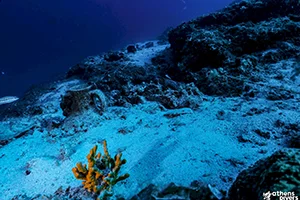

Where to Stay & Dive Sites
Plan your stay near the center and explore our favorite dive spots.
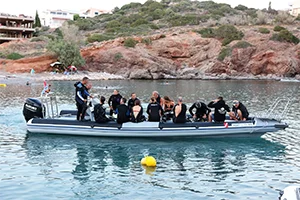
Boat Trips
Half-day snorkeling trips & guided dives for certified divers in the Saronic Gulf.
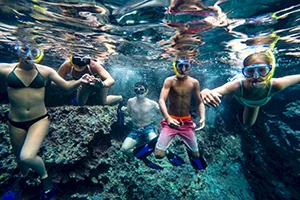
Non‑Diving Activities
Snorkeling, basic freediving, mermaid & swimming lessons for all ages.
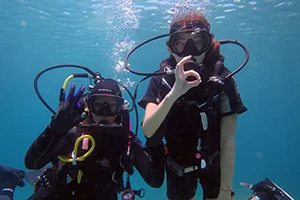
Diving Courses
Try Scuba, refresh after a break, or continue with advanced & specialty SSI training.
Personalized SSI Diving & Beyond
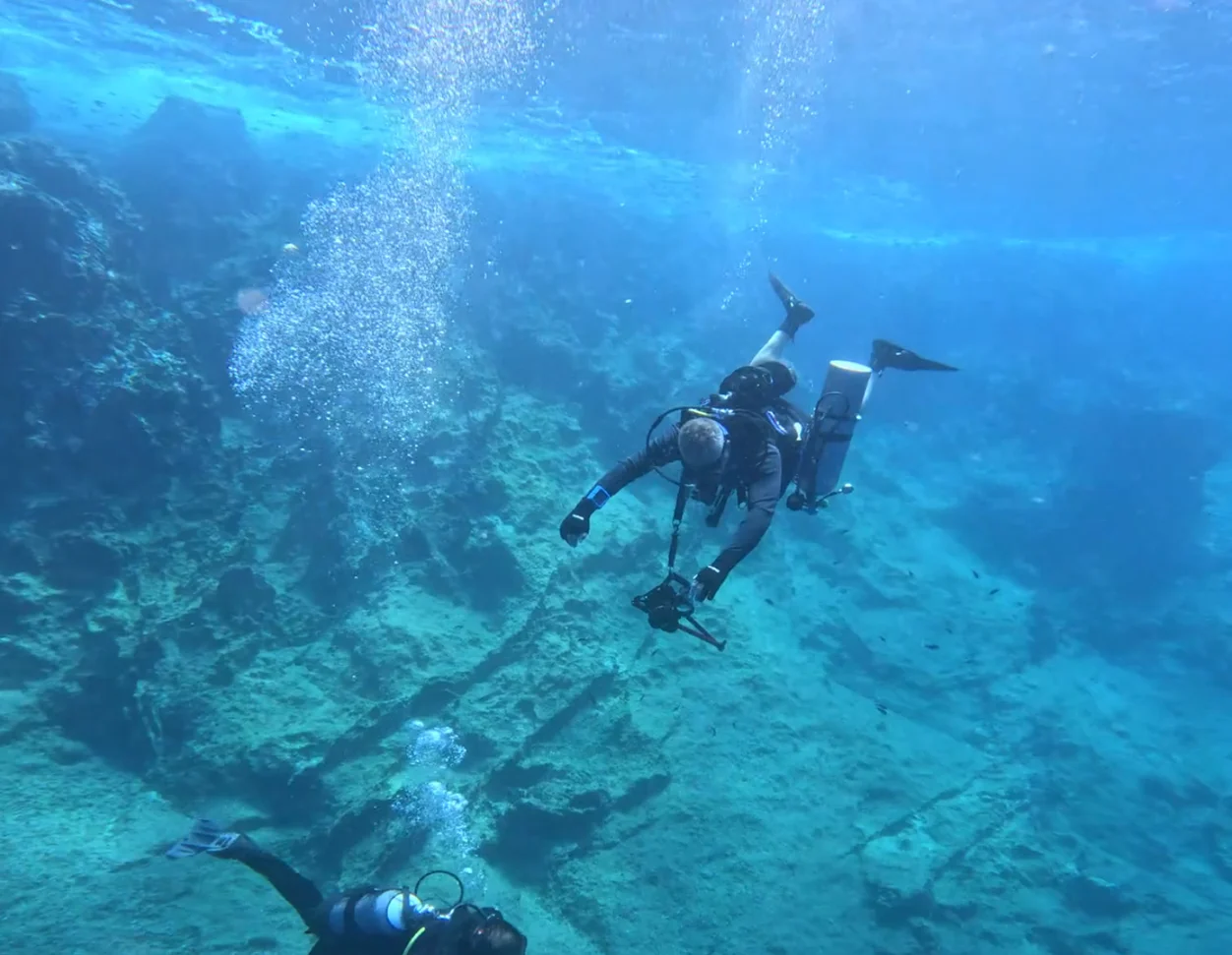
From your first breath underwater to advanced tec dives, our SSI instructors structure each diving session to your experience, language and comfort level.
Located 40 minutes from Athens, we combine modern equipment, a spacious 9m RIB, a licensed MARES service center and multilingual support so your whole family can dive, snorkel or simply enjoy the Saronic Gulf
- SSI & DAN certified team
- Boat trips, non-diving activities & equipment servicing in one place
Get a glimpse from the initial diving steps
SSI offers a variety of courses covering every level—from your very first
breath underwater to specialty training for seasoned divers.
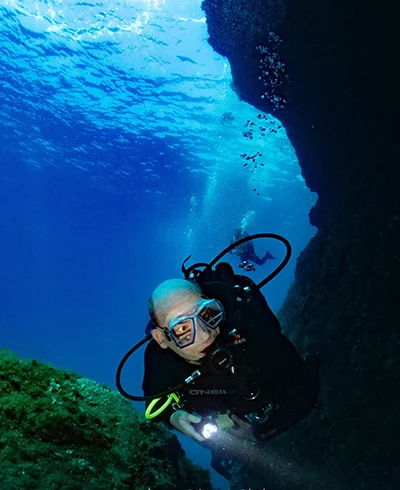
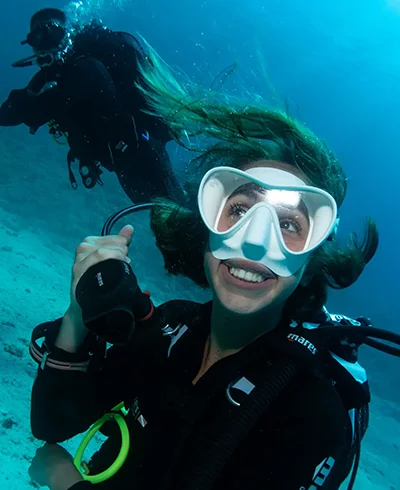
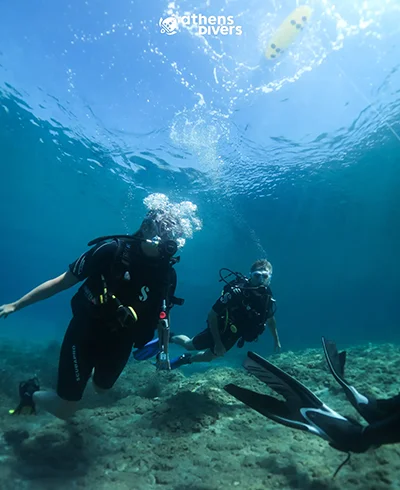
Choose from our scuba diving packages and
experience top-quality diving services.
What our customers are saying about us
Real reviews from our guests on Google
Frequently asked questions
Is scuba diving safe?
Yes! There have been decades of research put into scuba diving and how to make it as safe as possible. Diving programs have been designed to teach you everything you need to know about scuba diving safely.
This includes how to avoid running low on air, checking your air regularly, ascending slowly and safely to avoid decompression sickness, and planning your dives to make sure you stay safe. Scuba diving (like most activities) has its risks and hazards, but when a diver follows the rules that they are taught when they learn to scuba dive, it is an extremely safe activity.
What is a scuba certification?
A certification is achieved after you pass all of the requirements during your scuba diving program. The best way to learn to scuba dive is to earn your Open Water Diver certification, which will certify you to dive safely to a maximum of 18 meters (60 feet) deep.
Once you have this certification, you can flash it at any dive center around the world and start exploring the incredible underwater world. But getting your Open Water Diver certification is just the start of the adventure! There are many advanced diver programs you can join that will certify you to dive deeper, go shipwreck diving, try night diving, and more.
How deep can you scuba dive?
The maximum depth for recreational diving is 40 meters (130 feet). Technical divers can dive deeper, but this requires in-depth training and breathing a different mix of gasses.
I wear glasses, can I scuba dive?
You cannot dive while wearing your glasses as they will not fit under your mask. However, you can wear contact lenses, or even purchase a prescription mask.
Should I be worried about sharks?
Sharks have been given a bad reputation by the media over the years. But at most dive sites, they are very rarely spotted by divers, and even when they are, they usually avoid divers or ignore them.
We are not on the menu for sharks. However (as with any wild animal), respect should always be shown when you dive with sharks. If you are scared of seeing sharks, you can research which areas of the world you are less likely to see them and dive there.
What should I expect from my Open Water Diver program?
The Open Water Diver program is a mix of theory sessions, confined water sessions (shallow, calm water similar to a swimming pool), and open water sessions (deeper than 5 meters/16 feet).
You will learn important rules of dive safety, how to dive independently by checking your own air etc., and valuable practical skills such as how to hover neutrally buoyant in the water.
There are some exquisite spots for scuba diving on our beautiful planet. Here are: The 9 Best Scuba Destinations for Year-Round Diving.
Do I need to be physically fit to scuba dive?
You do not need to be in great shape to scuba dive. People of all fitness levels can enjoy scuba diving and there is not much strength or physical fitness needed to carry the equipment or to swim through the water.
However, you should be able to swim on the surface and tread water fairly well. Before you learn to scuba dive (or go scuba diving), you will be asked to fill out a medical questionnaire. If you have a health condition which might affect you while diving, it is important to check with a physician to make sure it is safe for you to dive.
Is scuba diving hard?
Diving programs have been designed in a way that teaches you all you need to know within just a few days, and in a way that is easy to remember. There is always more to learn about scuba diving, but getting the basics is fairly easy, and lots of fun!
Once you have practiced using the equipment and learned to control your buoyancy etc., you will find that scuba diving becomes second nature and does not require too much thought.
Will my scuba certification expire?
Once you are certified you are certified for life! However, if you have a period where you do not scuba dive for a while, you will need to take a scuba skills update with a dive professional who can assess your diving skills and ensure you are still comfortable in the water.
How old do you have to be to scuba dive?
The minimum age to learn to scuba dive and become certified as an Open Water Diver is ten years old. However, the SSI Explorers program provides options for children aged six and up to experience diving and snorkeling in very shallow water.
The maximum depth for recreational diving is 40 meters (130 feet). Technical divers can dive deeper, but this requires in-depth training and breathing a different mix of gasses.
How much does it cost to learn to scuba dive?
When you learn to scuba dive, the prices vary depending on where you are in the world. For example, diving in Thailand is cheaper than it is in Europe or the USA, due to a lower cost of living.
The best thing to do is decide where you want to learn to scuba dive and then use the SSI Center Locator to find an SSI dive center in that area and contact them directly to find out their prices.
Do I have to sign up for a full course if I am not sure I will enjoy scuba diving?
No, you can start with SSI’s Try Scuba program, which gives you a taster of scuba diving without committing to a full certification program. During the Try Scuba program, your instructor will introduce you to the equipment, teach you essential dive safety, and keep a very close eye on you in the water as you take your first breaths through a regulator.
This dive is carried out in shallow water (less than 12 meters/40 feet deep). If you love it and want to learn to scuba dive, you can then sign up for the Open Water Diver program and become certified.
How do you relieve ear pain when you dive?
Many people put off scuba diving because they believe it will hurt their ears. But when you learn to scuba dive, your instructor will teach you how to relieve the pressure you will feel in your ears as you descend in the water. After a little practice, you will start to equalize your ears without thinking.